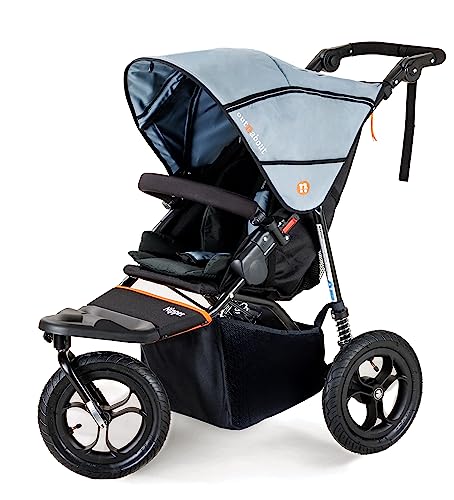
Pram and Pushchair Travel System: A Comprehensive Guide for Parents
As moms and dads start the amazing journey of inviting a brand-new child, choosing the ideal travel system can be a difficult job. Push Pram and pushchair travel system has actually gotten immense popularity recently for its combination of benefit, security, and adaptability. This short article delves into the intricacies of prams and pushchairs, checks out the advantages of these travel systems, and offers practical guidance for potential parents.
Understanding Travel Systems
A travel system usually combines a stroller (or pushchair) with a carrycot (or pram) and a baby safety seat. This combination enables parents to shift flawlessly in between walking and driving without disrupting their sleeping babies.
Parts of a Travel System
| Component | Description |
|---|---|
| Pram | Created for infants, a pram offers a flat, comfortable space for the baby to rest. Suitable for newborns till they can stay up. |
| Pushchair | A stroller developed for older infants and toddlers, including a reclining seat that enables infants to sit upright as they grow. |
| Safety seat | A safety seat that can be quickly clicked into the frame of the stroller or pram, permitting safe travel between vehicle and street. |
Benefits of Using a Pram and Pushchair Travel System
Picking a pram and pushchair travel system has numerous advantages that appeal to modern parents. Here are some of the crucial advantages:
Convenience
- One complete system makes it simple to change from automobile to stroller without trouble.
- Minimizes the need to wake a sleeping baby.
Cost-Effectiveness
- Acquiring a travel system can be more economical than purchasing each element individually.
Safety
- Travel systems are designed to make sure that car seats are securely connected to the stroller, minimizing the threat of mishaps.
Versatility
- Lots of travel systems use adjustable functions, consisting of reclining seats and detachable covers, allowing them to adapt as the child grows.
Space-Saving
- Travel systems are compact and can often fit easily in the trunk of a vehicle.
Selecting the Right Pram and Pushchair Travel System
When choosing the perfect travel system, here are some elements to think about:
1. Age and Size of the Baby
- Prefer a pram function for newborns.
- Guarantee that the pushchair can accommodate development, particularly in terms of weight and height limitations.
2. Security Features
- Try to find functions like a five-point harness, brakes, and stability.
- Look for safety certifications.
3. Weight and Portability
- Consider how heavy the system is and whether it's easy to fold and lift.
- A lightweight system tends to be more workable, particularly for parents browsing public transport.
4. Ease of Use
- Look for intuitive mechanisms, such as simple fold-and-unfold operations or how quickly the safety seat can be secured.
5. Surface Compatibility
- Recognize the kinds of surfaces where the system will be utilized most. Some strollers carry out better on turf or rough surface than others.
6. Budget
- Identify your budget ahead of time. Travel systems can vary from cost effective to high-end designs.
Maintenance Tips for Travel Systems
To ensure longevity and safety, it's necessary to maintain your travel system correctly. Here are some upkeep pointers:
- Regular Cleaning: Wipe down the stroller after every use and tidy the fabric frequently.
- Inspect for Wear and Tear: Routinely inspect the wheels, brakes, and harness for any damage.
- Follow Manufacturer Guidelines: Pay attention to guidelines on assembly, use, and storage.
- Storage Considerations: Store the travel system in a dry location to avoid mildew and damage.
Frequently asked questions About Pram and Pushchair Travel Systems
1. How soon can I begin using a travel system?
A lot of travel systems can be used from newborn phase, however always check the manufacturer's standards.
2. Can I utilize a safety seat from a different brand with my travel system?
Generally, it's encouraged to utilize parts from the exact same brand name for safety compatibility, but some systems might enable universal automobile seats.
3. Are travel systems heavy?
Weight differs by design. Discovering a balance in between strength and lightweight designs is vital.
4. At what age should I change from a pram to a pushchair?
Many babies are all set to shift once they can sit up individually, normally around 6 months of age.
5. How do I clean my travel system?
Most travel systems feature detachable and washable covers. For frames, a damp cloth usually is sufficient.
Navigating the world of baby gear can be a complicated experience for new moms and dads. The pram and pushchair travel system offers an ideal solution for those looking for convenience, safety, and flexibility. By comprehending the components, benefits, and includes to think about, parents can make educated options that match their way of life and their child's needs. With comprehensive research study and thoughtful consideration, choosing the best travel system ends up being a workable job, allowing parents to accept the joys of being a parent with ease.